Psychodynamic Therapy
If you’ve ever thought, “I know why I do this, but I still can't seem to stop,” Psychodynamic Therapy may be a helpful place to start.
Psychodynamic therapy focuses on the underlying roots of your patterns—the unspoken rules, attachment styles, and past experiences that quietly shape how you move through the world today. At its best, psychodynamic therapy isn’t about dwelling in the past forever or endless analysis—it’s about bringing deep self-awareness to light, understanding why you protect yourself the way you do, and creating genuine freedom in your relationships and self-worth.
At Empowering Change, we practice psychodynamic therapy through a compassionate, relational lens. We know that insight alone doesn't always change behavior, which is why we don't just sit back in silence. We collaborate with you to explore where your emotional habits originated, how they show up in your present life (and in the room with us), and how to heal the core issues rather than just managing symptoms on the surface.
Quick Overview: Psychodynamic Therapy
Psychodynamic Therapy is an insight-oriented, evidence-based approach that helps people understand the connection between their past experiences, unconscious patterns, and current emotional struggles. By identifying deep-seated beliefs and relational habits, this approach helps you feel more connected to yourself and others, leading to lasting transformation.

Psychodynamic Therapy in Collegeville, PA
Psychodynamic therapy can be especially helpful if you’re experiencing:
Repeating the same unhealthy patterns in relationships
Chronic people-pleasing, guilt, or fear of abandonment
Feeling disconnected from your true feelings or identity
Deep-seated self-doubt or an persistent sense of "not being enough"
Anxiety, sadness, or emptiness that doesn't seem to have a clear trigger
Unresolved grief, childhood wounds, or complex emotional history
Many clients come to psychodynamic therapy because they are tired of quick fixes and want to understand themselves at a deeper level—so change feels real, natural, and permanent.

Dive Deeper: What is Psychodynamic Therapy?
Psychodynamic therapy is based on a profound but simple idea: the way we learned to adapt and survive in our early life continues to shape how we experience ourselves and others today.
When we grow up, we naturally develop coping strategies to stay safe, loved, and connected. Over time, those strategies can become automatic defenses—protecting us from emotional pain, but also blocking us from true intimacy, ease, and growth. Psychodynamic therapy offers a safe space to look beneath the surface so those old defenses can gently loosen.
Psychodynamic therapy helps you:
Uncover the hidden emotional drivers behind repeating thoughts and behaviors
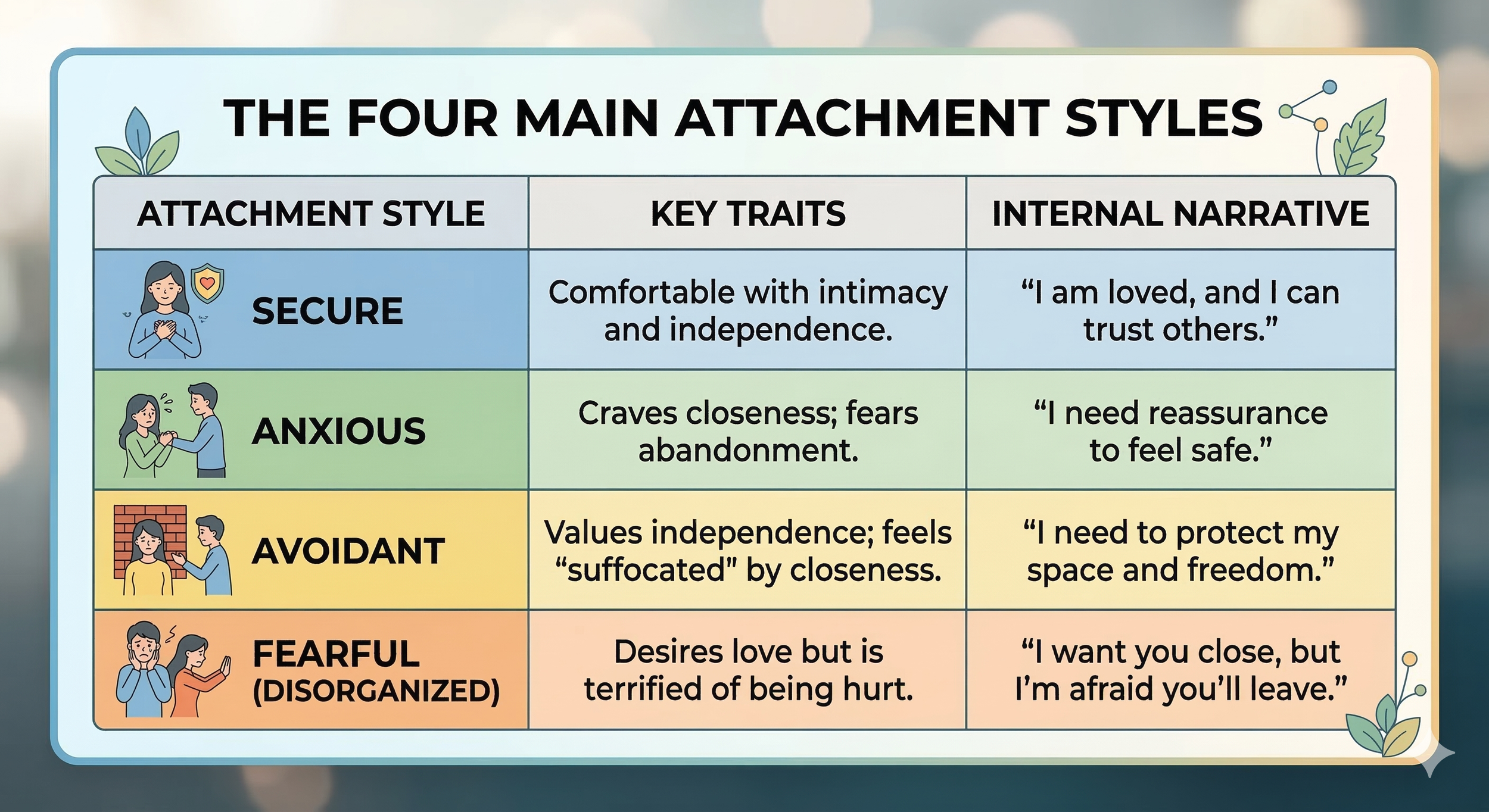
Understand your unique attachment style and how it impacts your relationships
Process complex, buried emotions rather than pushing them away
Build a compassionate, resilient sense of self rooted in authenticity
Rather than just treating symptoms as problems to eliminate, psychodynamic therapy honors them as signals pointing toward deeper emotional needs.
Get matched with the right therapist.
Tell us a bit about what you are going through, your availability, if you prefer to use insurance, etc. and we will match you with the therapist who meets your needs best!

How Psychodynamic Therapy Fits with Other Therapy Approaches
Psychodynamic therapy provides the foundational "why" that makes other therapeutic tools more effective. At Empowering Change, psychodynamic therapy is frequently combined with:
Internal Family Systems (IFS) to personify and heal protective parts of yourself
Cognitive Behavioral Therapy (CBT) to translate deep insights into practical daily shifts
DBT skills for emotional grounding while working through heavy past experiences
Somatic therapy to track how early emotional patterns are stored in your physical body
We don’t believe in one-size-fits-all therapy. Here you will get thoughtful, flexible care.

What Psychodynamic Therapy Looks Like at Empowering Change
Psychodynamic sessions are reflective, relational, and grounded in trust. Our licensed therapists will:
Help you spot subtle patterns across your past relationships and current life
Explore how early family dynamics continue to influence your daily choices
Pay attention to the thoughts, feelings, and reactions that arise naturally in session
Gently highlight defenses or blind spots you might not be able to see on your own
Guide you in building stronger boundaries, self-compassion, and relational trust
Psychodynamic therapy is deeply meaningful, direct, and supportive. Insight takes space, and we move at a pace that honors your nervous system and emotional capacity.

Why Psychodynamic Therapy Works
Psychodynamic therapy works because it addresses the root, not just the branch:
It transforms how you relate to yourself from the inside out
It frees you from repeating painful relational cycles
It resolves old emotional wounds rather than constantly managing them
It increases your capacity for deep connection, vulnerability, and joy
It creates long-term structural changes in how you navigate stress and identity
When you bring curiosity to the hidden parts of yourself, you stop fighting your past and start consciously choosing your future.
Frequently Asked Questions About Psychodynamic Therapy
-
While exploring your history helps us understand where your patterns began, our primary focus is on how those patterns show up in your life today. We use your past as a lens to bring clarity and relief to your current relationships and challenges.
-
CBT focuses heavily on conscious thought patterns, skill-building, and immediate behavioral adjustments. Psychodynamic therapy goes deeper to examine why those thought patterns exist in the first place, resolving the core emotional drivers so positive behaviors become automatic.
-
Many clients experience clarity and relief within the first few sessions as they begin making sense of their feelings. Because it works on deep-seated emotional structures, full treatment duration varies based on your personal goals and history, ranging from brief insight-focused work to longer-term growth.
-
Not at Empowering Change. Traditional psychoanalysis involved passive, silent therapists, but modern psychodynamic therapy is highly interactive, warm, and collaborative. Your therapist actively engages with you, asks clarifying questions, and guides the conversation.

Tour our Collegeville, PA office!
Psychodynamic Therapy Collegeville, PA
1610 W Main St Unit 402, Collegeville, PA 19426